

|
|
|
|

CLICK ON All Underlined Links for More Information
Click on this Underlined Link To Find The: Moon and Lunar
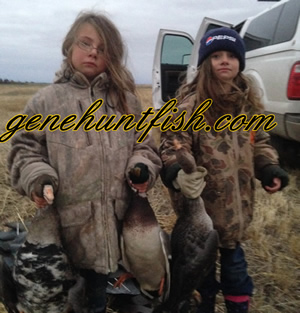
My Grand Daughters Out Bird Hunting
Baromator Readings Live From Edmonton Alberta
Fishing Great Bear Lake
gn="center">WithG.W. (Gene) Lopushinsky
Order Your Copy Of Fishing Great Bear Lake And Where to Fish

Weather Report For Great Bear Lake N.W.T Canada
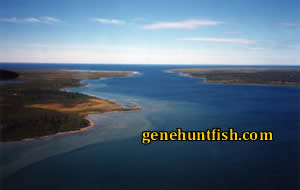
from genehuntfish.com
Weather Information For Bella Coola
Bella-Coola B.C. Coastal Weather-Local
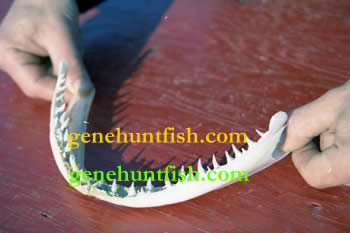
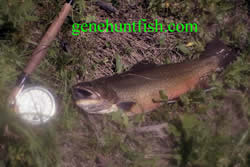
Great Bear Lake Trout Jaw (bottom) owned by geno
Local Edmonton Weather
Jasper Alberta, Canada0 "Jasper Weather Report"
Satellite Weather Click On This Underlined Link
NHL SCORING Hi-lights Click On The Underlined Link
Hickory North Carolina Click On The Underlined Link
North Carolina Weather via CNN Click On The Underlined Link
____________________________________________
Kootaney Lake Super Flies From genehuntfish
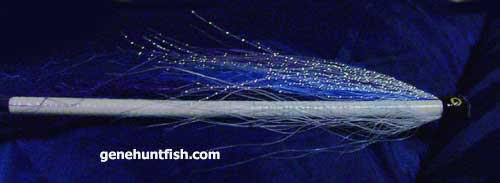
G.W.'sBlue Ghost Tube Fly
And Many More Colors
Customed Made Orders
Polar Bear Hair!!!
$16.95 each
Minimum Order: 6 Flies
_____________________________
1) Weather Information-Click On:Click On This Link For Canadian Weather
2) World Wide Weather Reports: Click On This UnderLined Link
3) For Australia:Click On This Underlined Link
4) Topographic Maps of the U.S.A. Click On The Underlined Link
5)Weather Report For Uraguay:Click Here This Under Lined Link
5a) USA Airport Delays
Click Here weather.com/maps/travel/airportdelays
6)Topo Maps: www.expedia.com
7) For Topo Maps and Some: www.globalmapper.com
8) International Fishing Records: IFGA.org
9) Satilite Mapping: World Wide Click On This Underlined Link
8) Barometer Readings: MetricClick On This Link
9)Periodic Table Chart: Click On This Underlined Link
Mercury Barometer
A Mercury Barometer is an accurate and relatively simple way to measure changes in atmospheric pressure.
At sea level, the weight of the atmosphere forces mercury 760 mm (29.9 in) up a calibrated glass tube.
Higher elevations yield lower readings because the atmosphere is less dense there, and the thinner air exerts
less pressure on the mercury.
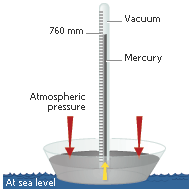
Barometer Live from Edmonton Alberta
A Bit of History
Evangelista Torricellian Italian mathematician and physicist, invented the barometer in 1643. He had also served
as an assistant to astronomer Galileo. Torricelli discovered that the variation of the height of mercury from day
to day was caused by changes in atmospheric pressure.
Movement
Barometric pressure seldom changes more than an inch or so at any given time so you should not be concerned
if it does not seem to move for long periods of time. Barometric pressure also remains somewhat unchanged during
very hot weather.
The Barometer is an instrument used for predicting weather changes by measuring air pressure.
Periodic Table Chart... Click On This Underlined Link
____________________________________________________________
Best Days for Fishing This Year
When the Moon is between New and Full
______________________________________
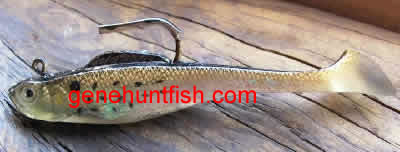
"Hot Lure"
" Hottest Fishing Lures In Town"
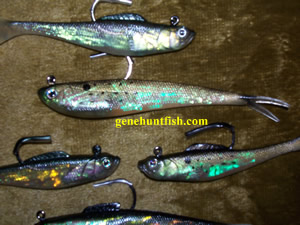
$3.50 to $15.99
E-mail Me For a Package Price On These Hot Lures
______________________________
WATCH THE BAROMETER
Intensity of activity also varies from day to day, according to conditions in general.
If the barometer happens to be steady or rising, if the temperature is favorable(about 15 degrees higher
than water temperature) then long and active response to a Solunar Peoria can be expected.
If however, the Barometer is unsteady or falling,or the temperature arrangement of air and water is abnormal,
there may be no response to a Solunar Period. For that matter, conditions can and do change so completely in a
matter of hours that a major period will be of little value while some six hours later a minor period may show
excellent fishing. Generally, however, a change in the weather is apt to be a deterrent to good fishing.

__________________________________________
Metric Conversions
0.305 meter = 1 foot
0.914 meter = 3 feet (1 yard)
1 meter = 1.094 yards
10 meters = 10.936 yards
100 meters = 109.361 yards
1000 meters (1 km) = 1093.613 yards
1608.64 meters (1.609 km) = 1760 yards (1 mile)
_____________________________________________________
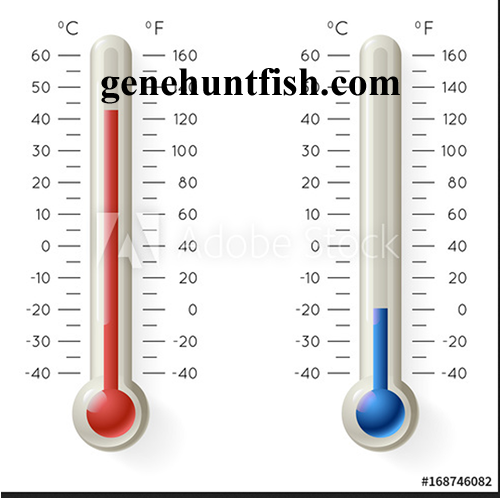
Formula For Converting Fahrenheit and Celsius
C. to F. : Multiply by 9/5 and add 32
F. to C.: Subtract 32. Then Multiply by 5/9
e.g. 25 degrees C = 9/5 x 25 + 32 = 45 + 32 = 77 degrees F.
68 degrees F. = (68 - 32) x 5/9 = 36 x 5/9 = 20 degrees C.
_______________________________________
Gallons to Liters
1 ml = 0.035 fl. oz. (Imperial)
100 ml = 3.52 fl. oz. (Imperial)
1 litres (1000 ml) = 1 pint 15.2 fl. oz. (Imperial gallon)
5 litres = 1 gallon 16.1 fl. oz. (Imperial)
45.461 Litres = 10 gallons. (Imperial)
______________________________________________________
Measures Of Lengths
1 centimeter = approx. 2/5 inch
10 centimeter = 3.94 inches
100 centimeters = 1 metre or about 39 inches
2 inches = approx. 5 centimeters
1 yard = approx. 9/10 metre
1 yard = 0.9144 meters
1 yard = 91.44 centimeters
one mile = 1.6 kilometers (approx.)
1 mile= 1609.34 meters
1 mile = 1760 yards
1760 yards = 1609.34 meters
100 kilometers per hour = 62.50 miles an hour (approx.)
10 miles = approx. 16 kilometers
30 miles = approx. 50 kilometers
5 foot 7 inches = 170 centimeters
5 foot 11 inches = 180 centimeters
_________________________________________________________
To E-mail Me, Click On: info@genehuntfish.com
If You Want To See A Specific Site Right Here
Just Ask And We Will Respond
SCI World Record Whitetail Buck Click Here
 Copyright © 2001-2024 genehuntfish.com...............
 All
Rights Reserved.
All
Rights Reserved.

Owned and Operated by (GW) Gene Lopushinsky.